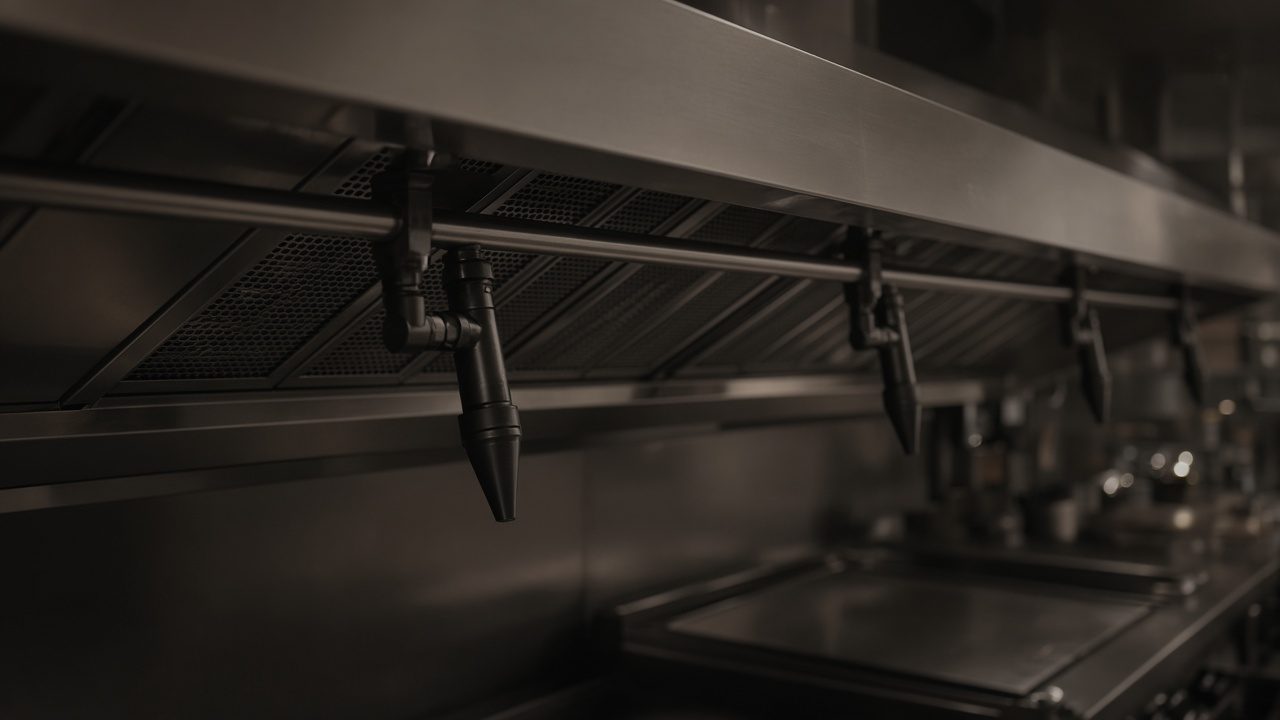
Washington DC Kitchen Fire Suppression Inspection
Washington DC, DC — 7 licensed inspectors found
Washington DC commercial kitchens must keep kitchen fire-suppression systems inspected and tagged on the NFPA 17A/96 six-month cycle. DC FEMS enforcement is separate from hood cleaning — a degreasing invoice does not replace the suppression tag.
Inspectors serving District kitchens are often factory-trained technicians working under contractors based in Maryland or Northern Virginia. HoodInspect does not invent a District-only kitchen-suppression license. Confirm whatever credential a company publishes with the issuing board and with DC FEMS before you hire. Find Washington DC inspectors below, including Ansul and Kidde shops, or read the six-month tag guide.
Six-month tag guideHood cleaning vs suppressionNFPA 17A / 96 guideInspection checklistInspection costMonthly owner logUL 300Ansul inspectors, Kidde inspectors
Who inspects kitchen fire suppression systems in Washington DC?
Washington DC commercial kitchens need factory-trained technicians to inspect and tag wet-chemical hood suppression systems on the NFPA 17A/96 six-month cycle. DC FEMS is the usual AHJ; hood cleaning is a different trade. HoodInspect lists DC-serving inspectors who service brands such as Ansul and Kidde; we do not invent extra badges.
Inspectors in Washington DC
Kitchen fire suppression FAQs in Washington DC
- How often does Washington DC require a kitchen suppression inspection?
- About every six months under NFPA 17A and NFPA 96. DC FEMS looks for a current wet-chemical tag. A hood-cleaning invoice does not replace that tag.
- Is DC kitchen suppression tagging the same as hood cleaning?
- No. Hood cleaning is a different trade. Suppression inspection and tagging is done by factory-trained technicians, often working under Maryland or Northern Virginia contractors who serve District kitchens.
- Which system brands can Washington DC inspectors service?
- DC listings include shops that service Ansul and Kidde wet-chemical systems, among other factory-authorized brands named on each company page.